

Psychiatry Exams
Evolve from candidate to consultant with AI-powered MRCPsych exam preparation.
tool Details
Explore More
Alternatives
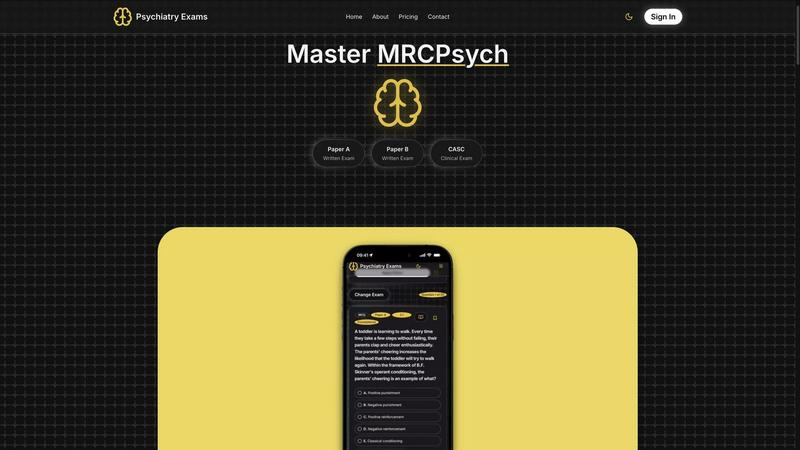
About Psychiatry Exams
Psychiatry Exams represents a significant evolution in professional medical exam preparation, moving beyond static question banks to a dynamic, community-powered learning ecosystem. Designed specifically for psychiatry trainees navigating the challenging MRCPsych examination pathway, this platform consolidates every essential resource into a single, mobile-friendly hub. It serves a clear mission: to democratize access to high-quality preparation by streamlining the process and reducing the financial burden often associated with these high-stakes exams. At its core, Psychiatry Exams fosters a culture of active, collaborative learning. It empowers users not just to consume content, but to contribute to it, creating a virtuous cycle where the community's collective knowledge strengthens every member's preparation. This growth-focused model, underpinned by cutting-edge AI and moderated by practicing NHS consultants, ensures the material is not only vast—with thousands of recalled questions—but also precise, relevant, and aligned with the latest Royal College syllabus. The journey here is from isolated studying to integrated mastery, preparing candidates not only to pass their exams but to evolve into more confident, knowledgeable clinicians.
Features
Verified Recalled Question Bank
The foundation of the platform is its extensive repository of over 2,400 recalled questions from actual MRCPsych exam sittings. This isn't just a raw collection; each question is carefully adapted, verified, and moderated by a team of eight NHS consultants. This process ensures clinical accuracy and relevance, providing users with the most authentic practice experience possible, directly mirroring the style and difficulty of the real Paper A, Paper B, and CASC exams.
AI-Powered Expert Explanations
Moving past simple answer keys, Psychiatry Exams leverages a sophisticated AI ensemble—including Claude Opus, Gemini, and GPT models—to generate deep, insightful explanations for every question. This system is uniquely combined with consultant expertise and is continuously updated against the official syllabus. The result is a learning tool that doesn't just tell you what is correct, but explains the underlying principles, helping to build a robust and lasting conceptual understanding.
Active Learning & Credit System
The platform champions an active learning methodology where users are incentivized to contribute their own questions. For each submission, users earn AI credits, with a bonus awarded when their question is approved by moderators. This process of creation and peer review forces a deeper engagement with the material, transforming passive revision into an active, critical thinking exercise that dramatically improves knowledge retention and synthesis.
Integrated Community & Syllabus Mapping
Psychiatry Exams fosters a thriving support network through a dedicated WhatsApp community with discussion areas for each exam sitting, moderated by consultants, and group calls. This is complemented by complete syllabus coverage, where all content is meticulously mapped to official Royal College learning objectives and study notes reflect the latest reading materials, ensuring users' study efforts are always focused and efficient.
Use Cases
Systematic Exam Preparation for Trainees
A CT1-3 psychiatry trainee uses the platform as their primary study companion throughout their exam journey. They follow the syllabus-mapped content, methodically work through the recalled question banks for Paper A and B, and use the spaced-repetition flashcard system to cement core knowledge, creating a structured and comprehensive preparation plan that evolves with their learning stage.
CASC Clinical Skills Refinement
An ST4-6 registrar preparing for the Clinical Assessment of Skills and Competencies (CASC) exam utilizes the platform's library of CASC vignettes. They practice these simulated patient scenarios, study the model approaches, and engage in the community discussions to refine their clinical communication, examination techniques, and management planning in a low-stakes, feedback-rich environment.
Knowledge Consolidation Through Contribution
A user aiming to move from memorization to mastery engages deeply with the active learning system. They read a topic, then challenge themselves to write a high-quality MCQ based on it. By submitting this for peer and consultant review, they solidify their understanding, uncover gaps in their knowledge, and earn credits, turning consumption into creation for a more profound learning evolution.
Last-Minute Revision & Confidence Building
In the final weeks before an exam sitting, a candidate uses the platform's mock exams to simulate the real testing environment and timing. They focus on their weak areas identified by performance analytics, review AI explanations for incorrect answers, and participate in community group calls for final clarifications, building exam-day confidence and mental readiness.
Frequently Asked Questions
How accurate and reliable are the recalled questions?
The questions are highly reliable as they are sourced from candidates' recollections from actual exam sittings. More importantly, every single question is then rigorously adapted and clinically verified by a team of practicing NHS consultants to ensure medical accuracy, alignment with current guidelines, and relevance to the official MRCPsych syllabus before being published on the platform.
What is the "Active Learning" approach and how does it help?
The active learning approach shifts your role from a passive consumer of information to an active participant in the learning process. By incentivizing you to create your own exam questions, the platform forces you to engage with the material at a much deeper level—synthesizing information, identifying key points, and applying critical thinking. This process, proven by educational research, leads to significantly better understanding and long-term retention compared to simply reading or answering questions.
How does the platform stay up-to-date with syllabus changes?
Psychiatry Exams employs a multi-layered update system. The state-of-the-art AI models are continuously fine-tuned with the latest syllabus publications and College reading materials. Furthermore, the team of consultant moderators regularly reviews all content against any announced changes. The community-driven model also means new recalled questions from the most recent exam diets are quickly integrated, keeping the question bank current and relevant.
Is there support for the CASC clinical exam?
Yes, the platform provides dedicated comprehensive support for the CASC exam. This includes a growing library of practice clinical vignettes that simulate real stations, allowing you to practice your clinical reasoning, communication skills, and management plans. Additionally, the community aspect facilitates discussions on CASC techniques, and the syllabus coverage ensures all clinical assessment objectives are thoroughly addressed.
Similar to Psychiatry Exams

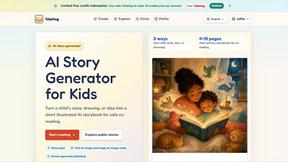
TaleHug AI Story Generator for Kids
TaleHug turns a child's voice, drawing, or idea into a safe, illustrated AI storybook for co-reading, growing young creators one story at a time.
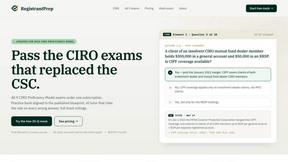
Registrant Prep
Registrant Prep evolves your CIRO exam prep with an AI tutor, 16,000+ cited questions, and custom mocks for just $29.99 monthly.
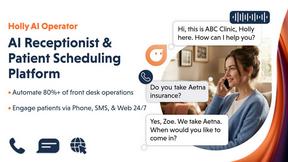
Holly AI
Holly AI evolves your clinic from overwhelmed to optimized by automating front desk tasks and scheduling to fuel growth without burnout.