

Alternatives to OpenMark AI
OpenMark AI evolves your AI strategy by benchmarking over 100 models on your actual task for cost, speed, and quality.
Explore 20 alternatives to OpenMark AI. Compare features, pricing, and find the best fit for your needs.

AkraLabs
Where modern software products get discovered, launched, and distributed. Explore verified AI tools, SaaS startups, and developer software.
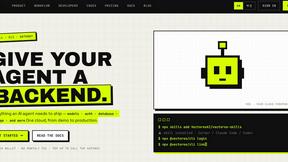
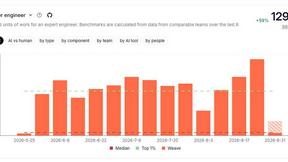

AppBanana
10,000+ Apps Approved, Yours Next With 10,000+ successful apps, we know exactly what Google wants, and how to get yours approved.
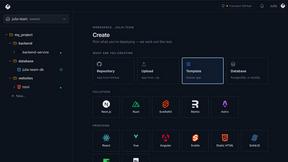
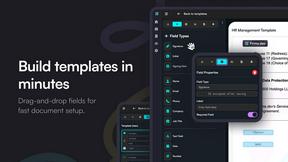
Firma.dev
Pay-as-you-go e-signature API and no-code sending. €0.049 per envelope, no monthly minimums, legally valid in 55+ countries.

BeatAPI
Async AI video workflow API for music videos, ecommerce ads, editable storyboards, webhooks, and hosted outputs.
Ornold
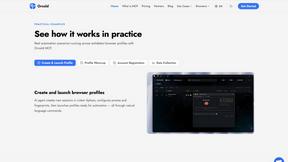
Ornold MCP lets AI agents control Chromium and antidetect browsers: click, type, read screens, record workflows, replay profiles without scripts.
AIQualityHQ
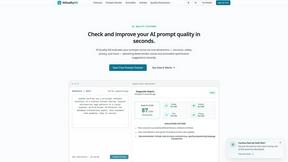
AIQualityHQ checks your AI prompts for structure, safety, and privacy in milliseconds, delivering instant scores and fixes.
RedLinz
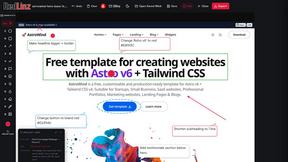
RedLinz turns screenshots into AI prompts by letting you circle and annotate exactly what you want an LLM to change.

Locai
Locai lets you run powerful AI models on your own hardware, keeping data private and cutting cloud costs.
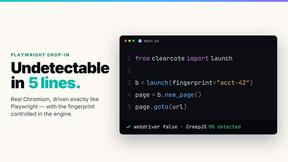
Clearcote
Clearcote is an open-source, de-Googled Chromium drop-in for Playwright and Puppeteer that gives you engine-level fingerprint control for a single.

JustLaunched
JustLaunched transforms your SaaS from hidden to discovered by curating your launch across directories where early buyers hunt daily.
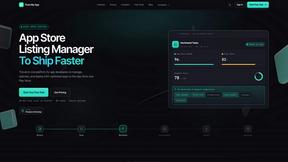
Push My App
Push My App evolves your app store workflow from weeks of manual work into a single afternoon of optimized, rejection-proof submissions.

MCPize
MCPize evolves your AI workflow by giving you one marketplace to discover, install, and manage premium MCP servers while publishers earn 80% revenue.
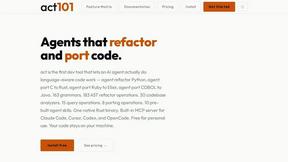
act101
act101 evolves your coding agent from a simple assistant into a language-aware architect, enabling it to refactor and port code across 163 grammars.
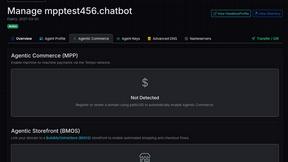
Headless Domains
Headless Domains gives AI agents a portable, verifiable identity to prove who they are and what they can do across any platform.
LoadTester
LoadTester evolves your performance testing from simple checks to scalable, reliable growth with live analytics and zero infrastructure.
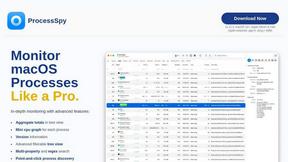
ProcessSpy
ProcessSpy evolves your Mac monitoring into a professional tool with advanced filtering, real-time insights, and deep system integration.
About OpenMark AI Alternatives
OpenMark AI is a developer tool for task-level benchmarking of large language models. It helps teams make pre-deployment decisions by running real prompts against a wide catalog of models to compare cost, speed, quality, and output stability in a single session. Users often explore alternatives for various reasons. Some may have specific budget constraints or need features like on-premises deployment. Others might require deeper integration into existing CI/CD pipelines or seek tools focused on a different stage of the AI lifecycle, such as ongoing monitoring post-launch. When evaluating other solutions, consider your core need. Look for the ability to test with real API calls, not simulated data. Prioritize tools that measure consistency across multiple runs to see variance, and ensure they provide a holistic view that balances quality against operational cost, not just the lowest token price.
FAQs about OpenMark AI Alternatives
What is OpenMark AI?
OpenMark AI is a web application for task-level LLM benchmarking. You describe a task in plain language and run prompts against many models to compare cost, latency, quality, and stability.
Who is OpenMark AI for?
It is built for developers and product teams who need to choose or validate a model before shipping an AI feature, focusing on cost efficiency and output consistency.
Is OpenMark AI free?
OpenMark AI offers both free and paid plans. Specific details are available in the application's billing section.
What are the main features of OpenMark AI?
Key features include hosted benchmarking without needing individual provider API keys, side-by-side results from real API calls, and analysis of cost, speed, scored quality, and stability across repeat runs.