

Alternatives to Self-Healing Integrations
Plumbed.io evolves your integrations from fragile connections into self-healing, AI-managed systems that stay operational without constant.
Explore 20 alternatives to Self-Healing Integrations. Compare features, pricing, and find the best fit for your needs.

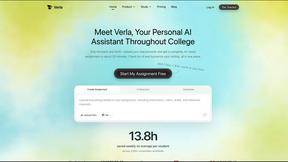
Verla AI
Verla is an AI academic assistant for university and college students, combining AI essay writing, academic research, AI detection, AI humanization

GetYouTubeTranscript
Free YouTube transcripts on the web, a Chrome extension, and an API + MCP server so AI assistants can read YouTube.

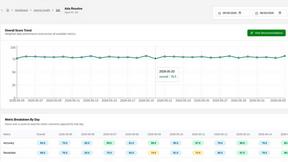


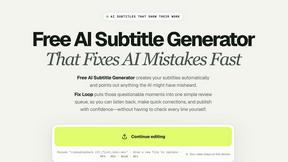
subtitlegenerator.net
Free AI subtitle generator that auto-creates subtitles and flags AI mistakes for quick review.

benchmark.directory
AI tools written up by the people who paid for them. Pricing, integrations, data policy and the limit we hit in a week of use.

saasgrow.ai
Get your SaaS tool discovered. Free listing, honest screening, a dofollow link — and no way for anyone to outbid you.

Tools Network
New AI tools drop every day — Tools Network makes sure you never miss the ones that matter.


Built2Win AI Indexing
AI‑ready websites, WebAgentScan SaaS, and Indexing Pack. MCP, A2A, llms.txt — hand‑coded PHP, complete ownership, flat‑fee, free quote.





Krea 2 AI Image Generator
Generate and refine stunning images with Krea 2 AI, your all-in-one creative editing studio.

About Self-Healing Integrations Alternatives
Self-Healing Integrations, as offered by Plumbed.io, represents a significant evolutionary leap in the AI Assistants category, moving beyond the static logic of traditional middleware. Rather than simply building a connection between two systems, this platform manages the entire lifecycle of the integration, using AI to monitor performance, detect drift, and autonomously apply fixes to keep workflows running smoothly after go-live. Users often begin searching for alternatives when they realize their current solution—whether it’s a point-to-point connector or a low-code tool—still requires constant human oversight to handle API changes, data schema updates, or unexpected errors, leading to a hidden “integration tax” that slows down growth. When evaluating an alternative to Self-Healing Integrations, the key is to look for a platform that prioritizes long-term operational resilience over initial setup speed. You want a solution that offers proactive monitoring, automated error remediation, and a clear path for managing ongoing changes without requiring a dedicated engineering team. Consider how the platform handles the “after” phase of integration: does it require manual intervention for every minor break, or does it learn and adapt? The most valuable alternatives will help you escape the cycle of maintenance backlogs, allowing your team to focus on launching new channels and systems rather than just keeping existing ones alive.
FAQs about Self-Healing Integrations Alternatives
What is Self-Healing Integrations?
Self-Healing Integrations, powered by Plumbed.io, is an agentic platform that not only builds custom integrations between any systems but actively manages their entire lifecycle using AI. It goes beyond simple connection tools by continuously monitoring integrations for issues like API changes or data drift and autonomously applying fixes to keep them running. This replaces the traditional model of custom integration projects that require ongoing manual maintenance after go-live.
Who is Self-Healing Integrations for?
This solution is designed for companies burdened by the 'integration tax'—the high cost and slow speed of launching new channels, systems, or partners due to custom integration work. It is ideal for organizations that need ongoing changes, monitoring, and maintenance after go-live, freeing them from the cycle of paying engineers to constantly patch and update brittle connections. Essentially, it serves any business that wants to scale its operations without being slowed down by complex backend plumbing.
Is Self-Healing Integrations free?
Based on the product description, Self-Healing Integrations is a commercial platform designed to replace expensive custom integration projects. It is not described as a free tool; rather, it is positioned as a value-driven solution that eliminates the hidden costs of ongoing maintenance and engineering overhead. For specific pricing details, including any free trial or tier, you would need to consult Plumbed.io directly.
What are the main features of Self-Healing Integrations?
The core feature is an AI-managed lifecycle that handles building, monitoring, and maintaining integrations autonomously. This includes proactive detection of issues like API changes or data inconsistencies, followed by automatic self-healing actions to prevent downtime. The platform is agentic, meaning it doesn't just alert you to a problem—it actively works to fix it, ensuring custom integrations remain reliable and operational without constant human intervention.