

Alternatives to ZoeMD
ZoeMD evolves clinical practice with instant, AI-powered access to evidence-based medical insights.
Explore 20 alternatives to ZoeMD. Compare features, pricing, and find the best fit for your needs.
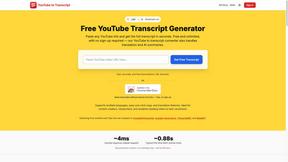
GetYouTubeTranscript
Free YouTube transcripts on the web, a Chrome extension, and an API + MCP server so AI assistants can read YouTube.

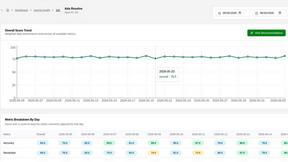



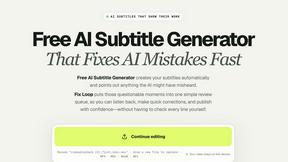
subtitlegenerator.net
Free AI subtitle generator that auto-creates subtitles and flags AI mistakes for quick review.

benchmark.directory
AI tools written up by the people who paid for them. Pricing, integrations, data policy and the limit we hit in a week of use.

saasgrow.ai
Get your SaaS tool discovered. Free listing, honest screening, a dofollow link — and no way for anyone to outbid you.
Tools Network
New AI tools drop every day — Tools Network makes sure you never miss the ones that matter.


Built2Win AI Indexing
AI‑ready websites, WebAgentScan SaaS, and Indexing Pack. MCP, A2A, llms.txt — hand‑coded PHP, complete ownership, flat‑fee, free quote.


Krea 2 AI Image Generator
Generate and refine stunning images with Krea 2 AI, your all-in-one creative editing studio.

About ZoeMD Alternatives
ZoeMD is an AI-powered clinical assistant designed for healthcare professionals. It belongs to the growing category of point-of-care clinical decision support tools, which aim to streamline workflows by delivering rapid, evidence-based medical insights directly to physicians and clinicians during patient encounters. Users may explore alternatives for various reasons, such as differing budget constraints, the need for specific integrations with existing electronic health record systems, or a desire for features tailored to a particular medical specialty or practice size. The search often revolves around finding the right balance of speed, depth, and reliability within a clinical setting. When evaluating options, it's crucial to consider core capabilities like the quality and recency of the evidence base, the intuitiveness of the query interface, and the tool's ability to synthesize complex information into actionable clinical takeaways. The ideal solution should enhance, not disrupt, the clinician's natural workflow and judgment.
FAQs about ZoeMD Alternatives
What is ZoeMD?
ZoeMD is an AI-powered clinical assistant that provides healthcare professionals with quick, evidence-based medical insights and synthesized research to support decision-making at the point of care.
Who is ZoeMD for?
ZoeMD is tailored for physicians and clinicians seeking to enhance their workflow with rapid access to clinical guidelines, study summaries, and best-practice recommendations.
What are the main features of ZoeMD?
Key features include evidence retrieval on medical topics, comparative analysis of treatments, summarized research insights from lengthy papers, and intuitive plain-language query processing.
Why choose ZoeMD?
ZoeMD is designed to improve speed, consistency, and confidence in clinical practice by delivering concise, evidence-backed responses that support informed decision-making without replacing clinical judgment.