
Genstory vs OnUML
Side-by-side comparison to help you choose the right tool.

Genstory
Genstory evolves your ideas into fully illustrated AI storybooks with just a single text prompt.
Last updated: February 27, 2026

OnUML simplifies UML diagram creation with AI-driven chat and direct Mermaid code editing for instant, professional.
Last updated: March 1, 2026
Visual Comparison
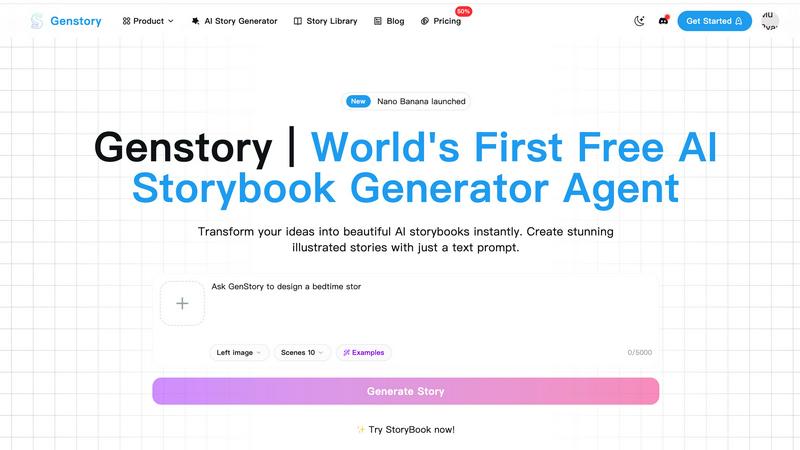
Genstory
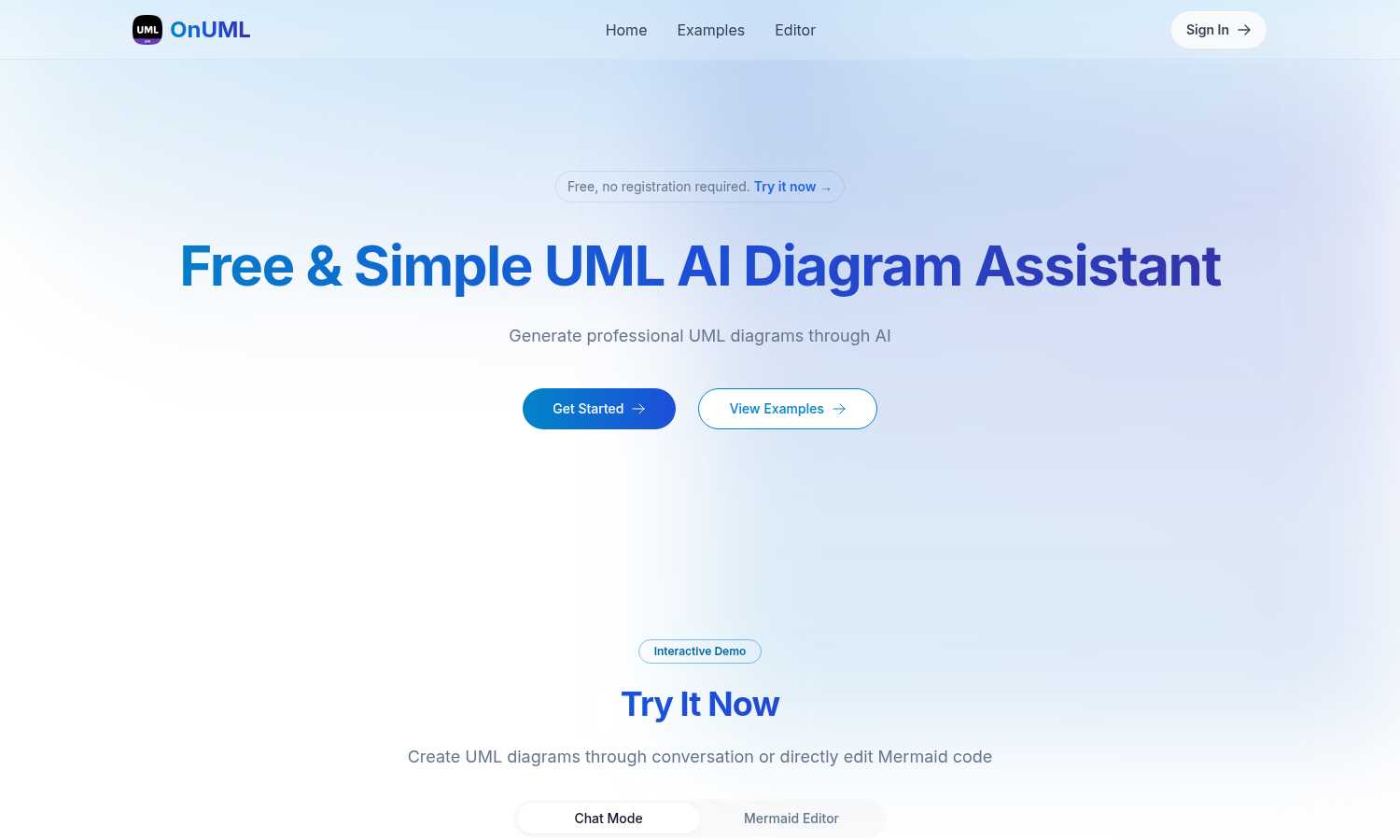
OnUML
Feature Comparison
Genstory
Lightning-Fast AI Generation
Witness the rapid evolution of your idea from a simple prompt to a complete storybook. The advanced AI engine processes your input and executes the entire creation pipeline—writing narrative text and generating all illustrations—in a matter of seconds. This feature accelerates the creative process, allowing for iterative experimentation and instant gratification, turning moments of inspiration into tangible stories without delay.
Intuitive Natural Language Interface
The platform is designed for seamless progression from thought to creation. There is no need to learn complex commands or coding. You guide the AI's creative journey through straightforward, natural conversation. Simply describe your story idea, characters, or theme as if you were talking to a collaborator, and the AI interprets your vision to begin the story-building process, making advanced technology accessible to everyone.
Multi-Dimensional Output Formats
As your story reaches its final stage of development, Genstory provides flexible output options to suit your sharing goals. You can generate a standard PDF document for easy printing or digital sharing, or create an interactive web story for a more dynamic, online reading experience. This adaptability ensures your created content can evolve beyond the platform and into the hands of your audience in the most effective format.
Rich Library of AI-Generated Illustrations
Each story is brought to life with a suite of unique, AI-generated artwork. The technology creates visually stunning and contextually relevant illustrations for every scene, ensuring the visual narrative progresses in harmony with the text. This feature elevates the storybook from a simple document to a captivating visual journey, enhancing engagement and immersion for readers of all ages.
OnUML
AI Smart Chat
The AI Smart Chat feature allows users to describe their requirements in natural language, generating professional UML diagrams instantly. This eliminates the need for technical jargon, making it accessible to everyone.
Smart Suggestions
OnUML provides smart suggestions through its intuitive interface, offering design recommendations that enhance the UML creation process. This feature helps users refine their diagrams and optimize their designs.
Multi-diagram Support
With multi-diagram support, users can generate various types of UML diagrams, including class diagrams, sequence diagrams, and more. The platform intelligently recommends the appropriate diagram type based on user input.
Real-time Rendering
OnUML offers a WYSIWYG (What You See Is What You Get) editing experience with real-time rendering. As users create diagrams, they can see instant updates, ensuring that their visualizations are accurate and professional.
Use Cases
Genstory
Personalized Bedtime Story Creation
Parents can progress from a child's simple wish to a custom-crafted adventure in one evening. Create stories where your child is the hero, incorporate their favorite toys or animals as characters, and explore themes that resonate with them. This use case transforms routine bedtime into a unique bonding experience and fosters a lifelong love for stories and creativity, with a new tale always just a prompt away.
Dynamic Educational Content Development
Educators and teachers can evolve standard lesson plans into engaging visual narratives. Generate stories to explain complex concepts, create social scenarios for discussion, or develop tailored reading materials for different learning levels. This is particularly powerful for ESL instruction, special education, and sparking inspiration in creative writing classes, making educational content more accessible and memorable.
Creative Writing and Prototyping
Aspiring authors and content creators can use Genstory as a prototyping tool to rapidly visualize story concepts. Input a plot idea and quickly generate a visual storyboard with accompanying text to evaluate narrative flow, character dynamics, and thematic elements. This accelerates the early developmental stages of writing, allowing creators to iterate and refine their core ideas before committing to a full manuscript.
Specialized Thematic Storybooks
Progress from a specific theme or cultural element to a fully realized storybook. Users can generate stories for holidays, family traditions, to explain historical events, or celebrate personal milestones. This use case allows for the creation of highly specialized content that may not be readily available in mainstream publishing, providing a tool for preserving and sharing unique personal or cultural narratives.
OnUML
Project Planning
OnUML is perfect for project planning, allowing teams to visualize workflows and processes. By creating UML diagrams, project managers can effectively communicate project requirements and timelines.
Software Development
Developers can use OnUML to design software architecture, illustrating system interactions and component relationships. This visual representation aids in better understanding and implementation of complex systems.
Educational Purposes
Educators and students can leverage OnUML for learning and teaching UML concepts. The platform simplifies the diagramming process, making it easier for students to grasp essential software engineering principles.
Collaborative Design
OnUML facilitates collaborative design sessions where multiple stakeholders can contribute ideas and feedback in real-time. This enhances team collaboration, ensuring everyone is aligned with the project's vision.
Overview
About Genstory
Genstory represents a significant evolution in creative technology, progressing from a simple idea to a fully-fledged AI story generator agent. It is designed to transform the foundational spark of an idea into a complete, illustrated digital picture book in mere moments. Powered by advanced Gemini Storybook technology, it serves as a bridge between raw creativity and polished, shareable content. This tool is for anyone on a creative journey: parents seeking to craft unique bedtime adventures, educators aiming to develop engaging visual learning materials, or aspiring writers looking to visualize their narratives. Its core value proposition lies in democratizing the story creation process. By removing traditional barriers like the need for artistic skill, writing expertise, or complex software knowledge, Genstory empowers users to focus purely on imagination. The agent handles the entire developmental lifecycle of a story—from initial concept and plot structuring to generating vivid text and accompanying exquisite illustrations—culminating in a professional-grade storybook ready for sharing or printing.
About OnUML
OnUML is an innovative AI-powered platform that revolutionizes the way UML diagrams are created, making it accessible to developers, project managers, and designers alike. By allowing users to express their requirements in natural language, OnUML removes the complexities traditionally associated with diagramming tools. The platform's core functionality is built on the robust Mermaid engine, a JavaScript-based diagramming tool that enables users to generate high-quality diagrams effortlessly. OnUML enhances productivity and creativity, enabling professionals to transform their ideas into polished diagrams in just a few simple steps. The platform offers real-time collaboration features, ensuring that teams can work together effectively, regardless of their technical expertise. Whether you are a novice or an expert, OnUML equips you with the necessary tools to elevate your diagramming capabilities, driving clarity in communication and project planning.
Frequently Asked Questions
Genstory FAQ
What kind of prompt should I give the AI?
Provide a clear, descriptive prompt in natural language for the best results. You can describe a character (e.g., "a shy robot who loves gardening"), a plot premise (e.g., "a mystery about a missing moon cheese"), a setting, or a specific lesson you want the story to teach. The more vivid your description, the more tailored and coherent the generated story and illustrations will be. You can start simple and evolve your prompts over time.
Can I customize the story after it is generated?
Yes, the creative process includes a review and customization stage. After the AI generates the initial storybook, you can read through the entire narrative and make adjustments to the text. While direct editing of individual AI-created illustrations is typically limited, you can guide the overall style and feel through your initial and subsequent prompts, allowing you to refine the story until it matches your vision.
What formats can I download my story in?
Genstory supports multi-dimensional output to suit the next stage of your story's journey. You can download your completed storybook as a standard PDF file, which is ideal for printing at home or through a professional service, or as an interactive web story, which provides an engaging online reading experience that is easy to share via a link on social media or messaging apps.
Is Genstory suitable for classroom use?
Absolutely. For educators, Genstory represents a progressive tool for creating engaging learning materials. It can be used to generate visual aids, create personalized reading materials at various comprehension levels, inspire creative writing exercises, and help explain abstract concepts through narrative. It's a versatile resource that supports the evolution of traditional teaching methods into more interactive and student-centered experiences.
OnUML FAQ
Will my chat content be used for AI training?
No, your chat content will not be used for AI training. OnUML prioritizes user privacy and ensures that your data remains confidential.
Are there any usage limits?
OnUML is free to use with no registration required. There may be certain limitations on features for unregistered users, but the platform is designed to be accessible to everyone.
What types of UML diagrams are supported?
OnUML supports a wide range of UML diagrams, including class diagrams, sequence diagrams, activity diagrams, and state diagrams, among others. This versatility caters to various modeling needs.
How can I save my diagrams?
Users can easily save their diagrams by exporting them in multiple formats, including PNG and SVG. This feature ensures that diagrams can be shared and integrated into documentation seamlessly.
Alternatives
Genstory Alternatives
Genstory is a free AI-powered creator that instantly generates illustrated storybooks, comics, and cinematic videos from simple text prompts. It falls into the category of AI-driven creative and design tools, specifically tailored for narrative and visual storytelling. Users often seek it out for quick, personalized content creation without needing technical skills. People explore alternatives to Genstory for various reasons. Some may require more advanced editing features, different artistic styles, or integration with other platforms. Others might be looking for tools focused on a specific output format, like long-form novels or professional-grade animation, or have needs related to team collaboration or commercial licensing. When evaluating other tools in this space, consider your primary goal. Key factors include the quality and consistency of AI-generated art, the depth of narrative control, output formats (like PDF, video, or interactive web), and of course, pricing models. The best choice aligns with whether you prioritize speed and simplicity for casual use or demand more granular creative control for professional projects.
OnUML Alternatives
OnUML is an AI-powered platform that simplifies the process of creating UML diagrams, catering to developers, project managers, and designers. By allowing users to articulate their design ideas in natural language, OnUML redefines traditional diagramming, making it more accessible and efficient. Users often seek alternatives for various reasons, including pricing, specific feature sets, or compatibility with their existing workflows. When evaluating alternatives, it’s crucial to consider the ease of use, range of diagram types supported, collaboration features, and overall flexibility to ensure the chosen tool aligns with your project needs and enhances productivity.