

Alternatives to diffray
Diffray's AI evolves code review to catch real bugs with far fewer false positives.
Explore 20 alternatives to diffray. Compare features, pricing, and find the best fit for your needs.
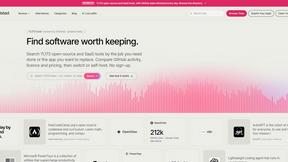
Enlisted
Search 20,000+ open-source and SaaS tools by the job you need done or the app you want to replace.
Egmatic
No-code 2D game editor: visual node logic, drag-and-drop scenes, live preview. Exports to Windows, macOS, Linux, Android, iOS, Web.

Product Launch Checklist
A free launch checklist for SaaS, apps, AI tools and more. Every step says why it matters and when you can skip it.

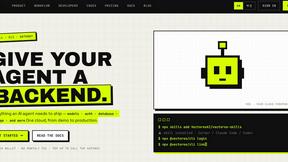
layahost
Moderation, routing, intent and scoring for any text over one Jev-compatible API, hosted in the EU.
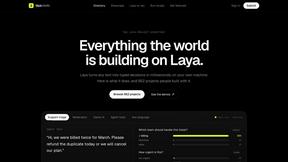
laya.tools
Free directory of 950+ projects built on Laya, the open-source model that turns text into typed decisions. Ports, SDKs, agents and demos.
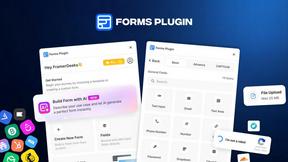
Forms Plugin
The #1 Native Form Builder Plugin for Framer - No Code, No Embeds, No External Platforms.

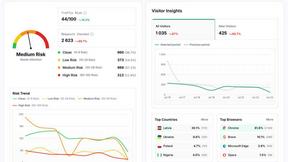
AkraLabs
Where modern software products get discovered, launched, and distributed. Explore verified AI tools, SaaS startups, and developer software.

AppBanana
10,000+ Apps Approved, Yours Next With 10,000+ successful apps, we know exactly what Google wants, and how to get yours approved.
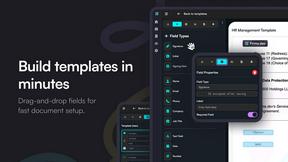
Firma.dev
Pay-as-you-go e-signature API and no-code sending. €0.049 per envelope, no monthly minimums, legally valid in 55+ countries.

BeatAPI
Async AI video workflow API for music videos, ecommerce ads, editable storyboards, webhooks, and hosted outputs.

Ornold
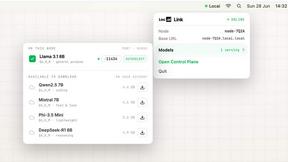
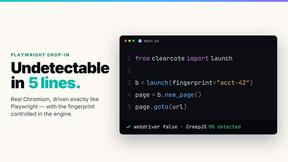
Ornold MCP lets AI agents control Chromium and antidetect browsers: click, type, read screens, record workflows, replay profiles without scripts.
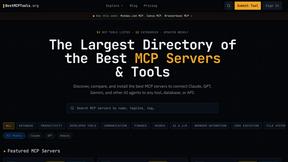
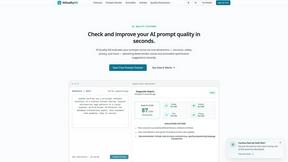
AIQualityHQ
AIQualityHQ checks your AI prompts for structure, safety, and privacy in milliseconds, delivering instant scores and fixes.
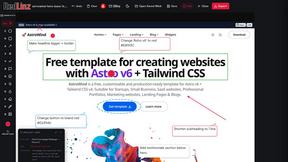
RedLinz
RedLinz turns screenshots into AI prompts by letting you circle and annotate exactly what you want an LLM to change.
About diffray Alternatives
diffray is a specialized AI code review tool designed for development teams. It belongs to the category of advanced developer tools that aim to automate and enhance the code quality process, moving beyond basic linting to provide deep, contextual analysis. Users often explore alternatives for various reasons, including budget constraints, specific integration needs with their existing tech stack, or a desire for different feature sets like real-time collaboration or support for niche programming languages. The search for the right tool is a natural part of a team's growth as their codebase complexity and quality standards evolve. When evaluating options, it's crucial to look beyond surface-level claims. Key considerations should include the tool's underlying analysis methodology, its ability to understand your project's full context to reduce false alarms, and the specialization of its feedback. The goal is to find a solution that developers trust and that genuinely accelerates development velocity by catching real issues.
FAQs about diffray Alternatives
What is diffray?
diffray is a multi-agent AI code review tool that uses over 30 specialized AI agents to catch real bugs and issues with dramatically fewer false positives compared to generic tools.
Who is diffray for?
diffray is designed for development teams frustrated by the noise and missed context of traditional or single-model AI code reviewers, who want actionable, trustworthy feedback.
What are the main features of diffray?
Its core features are a multi-agent specialized architecture for deep, domain-specific analysis and full codebase context awareness to spot issues others miss.
Why choose diffray?
Teams choose diffray for its high-precision, context-aware reviews that developers actually trust and act upon, transforming code review into a time-saving asset that boosts code quality.