

Explore 18 alternatives to iGPT. Compare features, pricing, and find the best fit for your needs.
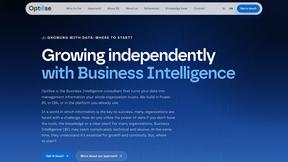
Optilise
Optilise is a Dutch Power BI consultancy helping SMEs get a grip on their numbers with clear BI software and solutions. We make companies self suffici

EchoLeads AI
EchoLeads is an AI voice sales platform with intelligent AI voice agents for cold calling, lead generation, and automated appointment scheduling.
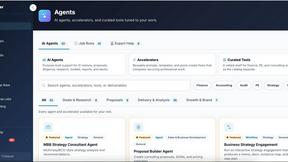
Decker
Decker evolves your consulting work from prompts to polished deliverables with AI workflows, expert support, and a monetization engine for your.

FX Radar
FX Radar evolves your trading with real-time news and AI-driven logic, delivering market-moving headlines in seconds for smarter decisions.
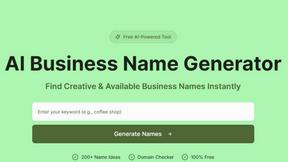
AI Business Name Generator
Unlock your brand's potential with our AI Business Name Generator, crafting unique and memorable names for your startup or company in seconds.

ROIpad
ROIpad delivers data-driven insights to refine your B2B SaaS positioning, helping you target the right segments and accelerate growth.
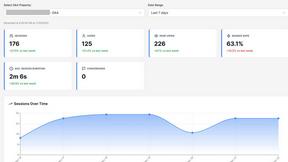
Opal44
Opal44 simplifies your website analytics with AI-driven insights in plain English for smarter, data-informed decisions.

Fusedash
Fusedash transforms raw data into intuitive dashboards and charts, empowering teams to make informed decisions swiftly.

finban
finban empowers confident liquidity planning, helping you manage hiring, taxes, and investments without Excel chaos.

aVenture
aVenture evolves startup research with AI to map companies and track funding opportunities.
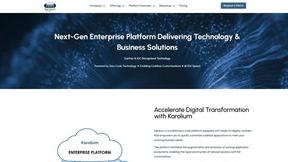
Karolium
Karolium's zero-code platform accelerates digital transformation with customizable AI solutions.
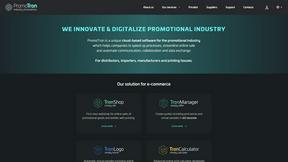
Promotron
Promotron accelerates promotional sales with cloud software that automates e-commerce and custom printing for industry.
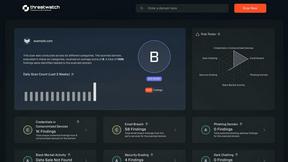
Threat Watch
Assess your cybersecurity health instantly and gain insights to strengthen defenses against emerging threats.

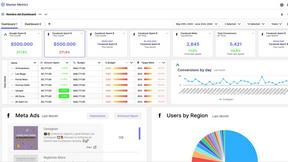
Master Metrics
Master Metrics evolves your data into clear dashboards and smart alerts for confident growth.

CMMC ROI
CMMC ROI calculates your compliance costs and investment returns to secure DoD contracts.

Deeploy
Deeploy empowers organizations to govern and scale AI confidently, ensuring compliance and minimizing risks effectively.

About iGPT Alternatives
iGPT is an advanced email intelligence API that helps enterprises convert their email communications and attachments into actionable insights. Positioned within the business intelligence category, iGPT offers organizations a secure and efficient way to enhance operational workflows through context-aware responses and real-time data processing. Users often seek alternatives to iGPT due to a variety of reasons, including pricing, specific feature sets, or compatibility with existing platforms. When exploring alternatives, it’s essential to consider factors such as ease of integration, scalability, data security, and the ability to meet unique business requirements. A thorough evaluation will ensure that the chosen solution aligns with the organization's growth objectives and operational needs.
FAQs about iGPT Alternatives
What is iGPT?
iGPT is an email intelligence API that transforms email communications and attachments into actionable insights for enterprises.
Who is iGPT for?
iGPT is designed for enterprises looking to streamline workflows and enhance decision-making through intelligent email data processing.
Is iGPT free?
iGPT is not free; it operates on a pricing model suited for enterprise needs and scale.
What are the main features of iGPT?
Key features of iGPT include immediate integration, a unified endpoint for data management, real-time ingestion of emails, and provided citations for generated responses.